24-hour response
Aluminum Alloys
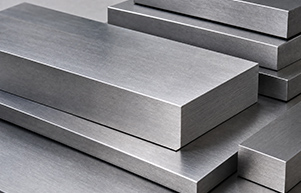
6061-T6, 7075-T6, 2024, 5052

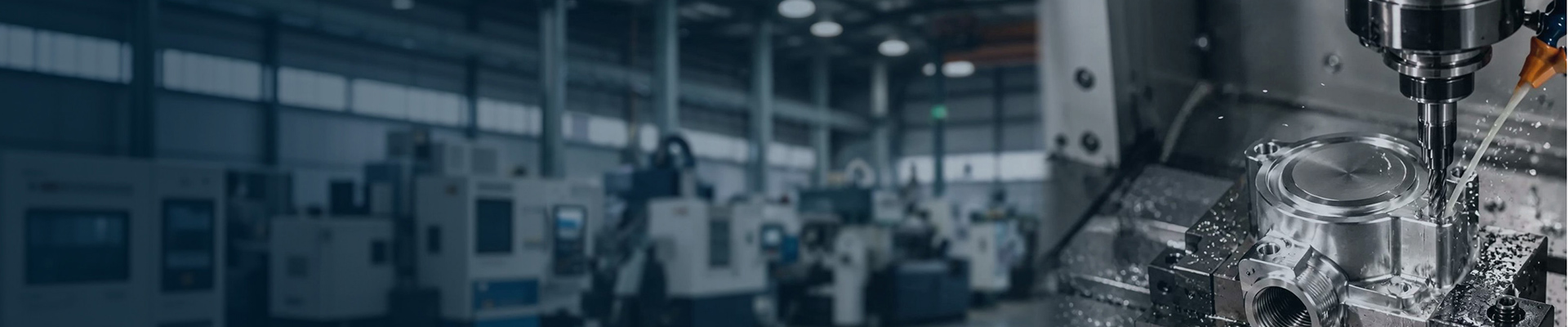
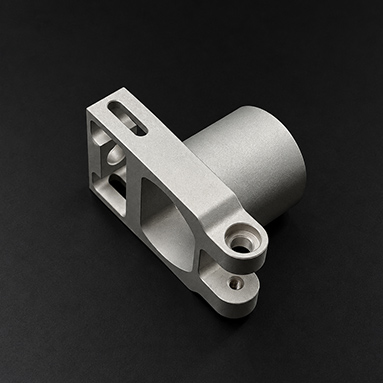
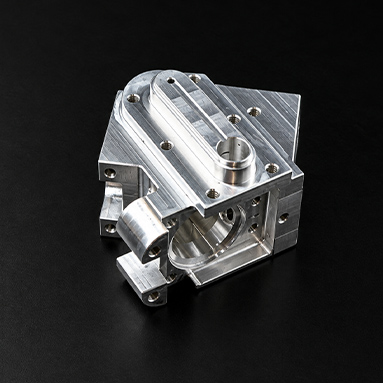
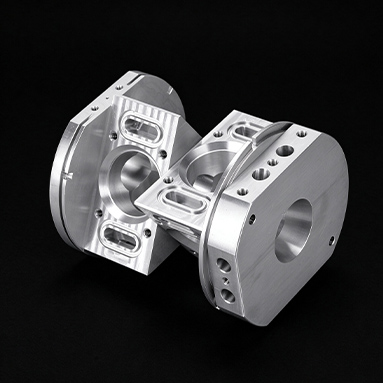
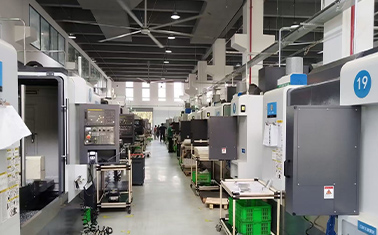
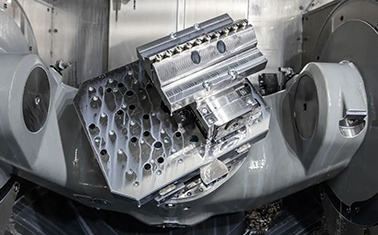
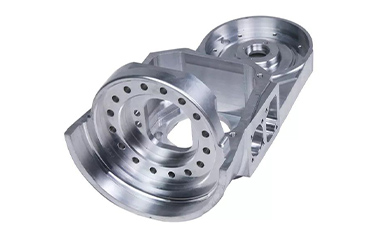
5-axis simultaneous machining — conquering complex geometries in a single setup. Ra 0.4μm surface finish, ±0.003mm accuracy.
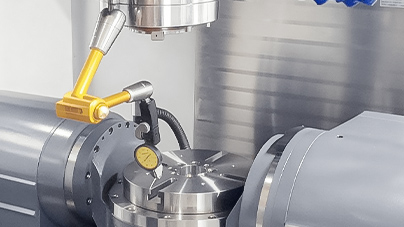
Machine complex contours, undercuts and compound angles in one setup.
All critical surfaces finished without repositioning; no cumulative error.
Suitable for aerospace, medical and industrial parts with tight tolerances.
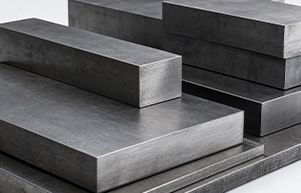
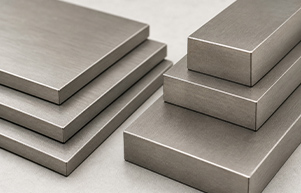
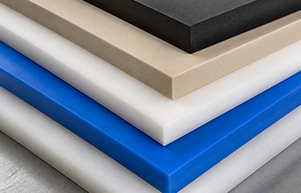
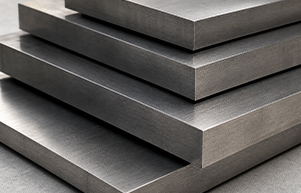
Titanium, aluminum, stainless steel, tool steel and engineering plastics.
Standard milling and drilling for flat and prismatic parts.
Rotational indexing for cylindrical features and circumferential work.
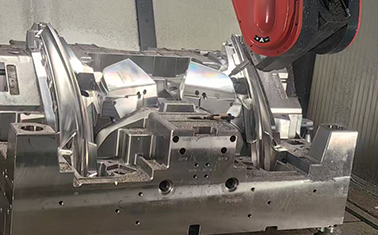
Full contour machining, compound angles and organic surfaces.
Complex parts repositioned without re-fixturing.
Structural components and impellers.
Surgical implants and instrument bodies.
High-precision cores and die inserts.
Performance parts with tight tolerances.
| Parameter | Capability |
|---|---|
| Machining Type | 5-Axis Simultaneous / 5-Axis Positional / 3+2 Indexing |
| Max. Part Size | Please confirm with our engineers (based on machine envelope) |
| Tolerance Range | Down to fine machining tolerances per drawing (to be confirmed) |
| Surface Roughness | Ra values available on request based on process |
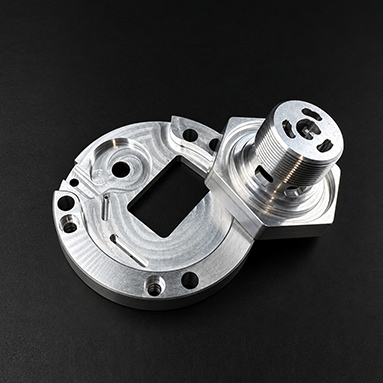
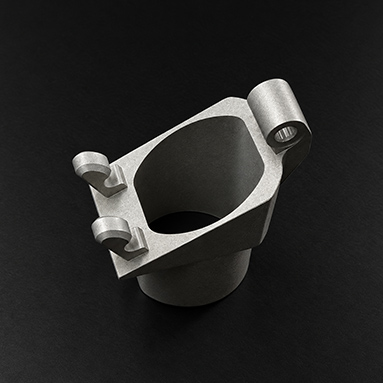
| Complexity | Undercuts, compound angles, freeform surfaces, thin walls |
| MOQ | 1 piece for prototypes; scalable to production volumes |
| Production Capacity | Rapid prototyping through low-to-mid volume manufacturing |
| Lead Time | Quoted per project scope and complexity |
| Process Type | Description | Applicable Materials | Purpose Of Processing |
|---|---|---|---|
| Hard Anodizing (Type III) | Form a thick, hard aluminum oxide layer (25–75 μm) on aluminum parts through anodic oxidation in cold electrolyte. | Aluminum alloys (6061, 7075, 2024) | Significantly improve wear resistance, corrosion resistance and surface hardness (up to 60HRC); ideal for aerospace and automotive structural parts. |
| Bead Blasting | Propel fine glass or ceramic beads at the workpiece surface under compressed air to create a uniform matte texture. | Aluminum alloys, stainless steel, titanium, brass | Provide a uniform matte cosmetic finish; remove machining marks and prepare the surface for anodizing or painting. |
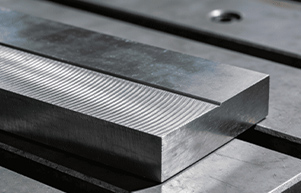
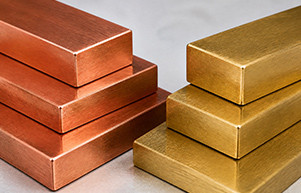
| Brushing | Use abrasive belts or brushes to create parallel unidirectional grain lines on the metal surface. | Stainless steel, aluminum alloys, brass, copper | Deliver a decorative satin appearance; hide minor scratches; commonly used for medical device housings and consumer electronics. |
| Mirror Polishing | Use multi-stage abrasive polishing (P400 → P2000 → diamond paste) to achieve a reflective mirror surface (Ra ≤ 0.05 μm). | Stainless steel (316L, 17-4PH), titanium alloys, mold steels | Achieve ultra-smooth reflective surface required by medical implants, optical bases and mirror mold cavities. |
| Passivation | Immerse the stainless steel part in nitric or citric acid to remove free iron and form a passive chromium oxide layer. | Stainless steel (304, 316, 316L, 17-4PH) | Meet AMS 2700 / ASTM A967 for aerospace and medical parts; significantly improve corrosion resistance without dimensional change. |
| PVD Coating | Deposit metal or ceramic thin films (TiN, TiAlN, CrN) onto the part surface in vacuum via physical vapor deposition. | Titanium alloys, stainless steel, mold steels, tool steels | Provide extreme hardness (2000–3500 HV), high temperature resistance and decorative coloring; used for aerospace fasteners and high-end molds. |

Complex features completed in a single fixturing cycle — no cumulative error.

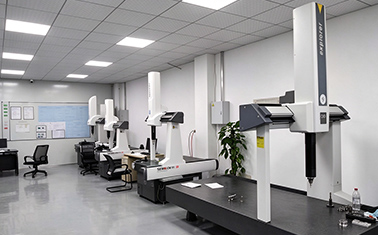
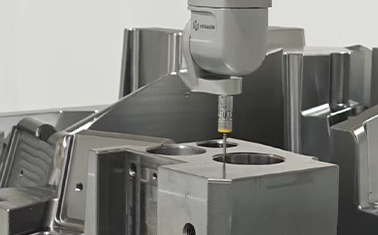
Precision-focused workflow with CMM verification on critical dimensions.

DFM feedback and fixture design assistance from prototype to production.

Aluminum, stainless steel, titanium, superalloys and engineering plastics.
Contact Gelanten Now for Premium Machining Services.